Paro Taktsang (Tiger's Nest) Hike Guide: Everything US Travelers Need to Know
Published by Shar Voyage • Updated 2026
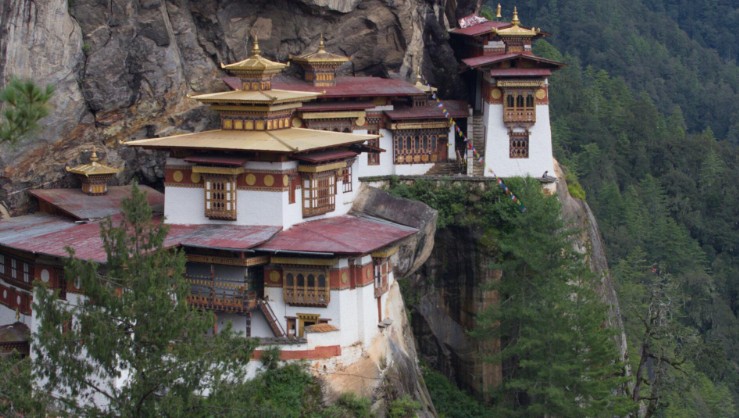
Overview
Perched dramatically on a sheer granite cliff 3,000 feet above the Paro Valley floor, Paro Taktsang—commonly known as the Tiger's Nest—is Bhutan's most iconic landmark and one of the most extraordinary sacred sites in the entire Himalayan region. For most first-time US visitors, this hike is the undeniable highlight of a Bhutan trip. Whether you're an avid trekker or a casual walker who simply refuses to miss a bucket-list experience, this guide will walk you through everything you need to know before lacing up your boots.
The Legend Behind the Monastery
According to Bhutanese tradition, Guru Rinpoche—the tantric master credited with bringing Buddhism to Bhutan—flew to this cliffside on the back of a tigress in the 8th century. He meditated in a cave here for three years, three months, three weeks, three days, and three hours, subduing evil spirits and sanctifying the valley below. The monastery complex you see today was built in 1692 around that original meditation cave and has been a site of pilgrimage ever since. Understanding this backstory transforms the hike from a scenic walk into a genuinely spiritual journey.
Trail Details and What to Expect
Distance and Elevation
The round-trip hike is approximately 4 miles (6.4 km). You'll start at the trailhead parking area, which sits at about 7,700 feet (2,350 meters) above sea level, and climb roughly 2,800 feet (850 meters) to the monastery entrance at around 10,200 feet (3,120 meters). The altitude is real—even fit hikers will notice it—so there's no shame in taking frequent breaks.
Trail Breakdown
The path divides naturally into three stages. The first section climbs steadily through fragrant blue pine forest and is the steepest part of the ascent—most hikers find this the most physically demanding stretch. After about an hour to 90 minutes, you'll reach the cafeteria and viewpoint, an ideal spot to catch your breath and photograph the monastery from across the gorge. The second stage is a gentler walk along the cliffside trail to the final viewpoint, where Tiger's Nest fills your entire field of vision. The third stage drops steeply down a stone staircase, crosses a waterfall bridge, and then climbs back up to the monastery entrance. This final stretch is shorter but involves uneven steps, so watch your footing.
Time Required
Plan for 4 to 6 hours round-trip, including time spent exploring the monastery. A comfortable pace with breaks is always better than rushing, especially at altitude. Your licensed Bhutanese guide will set a rhythm that works for your group.
Best Time to Hike
Spring (March through May) and autumn (September through November) offer the most rewarding conditions. In spring, the trail is alive with blooming rhododendrons and magnolias, and the air is crisp and clear. Autumn brings golden light, stable weather, and spectacular views of snow-capped Himalayan peaks on the horizon. Summer months see monsoon rainfall that can make sections of the trail muddy and slippery, while winter delivers cold temperatures and occasional snow, though the trail remains open year-round. To help you choose the perfect dates, check out our Bhutan Festival Calendar—timing your hike with a Paro festival makes the experience truly unforgettable.
What to Pack
Clothing and Footwear
Sturdy hiking boots or trail shoes with good ankle support and grip are essential. Dress in moisture-wicking layers; mornings can start chilly, but you'll warm up quickly on the ascent. A lightweight rain jacket is wise in any season. Long pants are required for entry into the monastery, and shoulders should be covered.
Essentials to Carry
Bring at least two liters of water, high-energy snacks, sunscreen, sunglasses, and a hat. Trekking poles are a tremendous help on the descent, particularly on the steep stone staircase. Note that cameras, phones, bags, and any electronic devices must be stored in lockers at the monastery entrance—photography inside the temple rooms is strictly prohibited.
For a more comprehensive packing list and altitude acclimatization advice, visit our Bhutan Travel Tips page.
Inside the Monastery
Once you pass through the entrance, you'll step into a series of temple rooms painted with vivid Buddhist murals and illuminated by butter lamps. Your guide will lead you through the main prayer halls, the original meditation cave of Guru Rinpoche, and several smaller shrines. The atmosphere inside is deeply reverent—speak softly, walk clockwise around altars, and avoid pointing your feet toward statues or sacred images. Most visitors spend 45 minutes to an hour exploring the complex, though you could linger longer if the spiritual ambiance calls to you.
Tips for Making the Most of Your Hike
Start early. Aim to be at the trailhead by 8:00 AM to beat afternoon clouds and larger tour groups. Acclimatize beforehand by spending at least one full day in the Paro Valley before attempting the hike—exploring Paro Dzong, the National Museum, or a gentle valley walk helps your body adjust. Stay hydrated and eat a solid breakfast. If you're concerned about fitness or altitude, horses are available for hire to carry you to the cafeteria midpoint, though you'll need to walk the remaining distance on foot.
Planning Your Tiger's Nest Experience
The Tiger's Nest hike is a deeply personal milestone—an intersection of physical challenge, natural beauty, and profound spirituality. At Shar Voyage, we build every itinerary to ensure you arrive at the trailhead well-rested, properly acclimatized, and with a knowledgeable guide who brings the monastery's centuries-old stories to life. If you'd like to design a trip that places this hike at the heart of your Bhutan adventure, start customizing your itinerary today and we'll take care of every detail.
Planning a trip to Bhutan? Customize your Bhutan itinerary with Shar Voyage →